
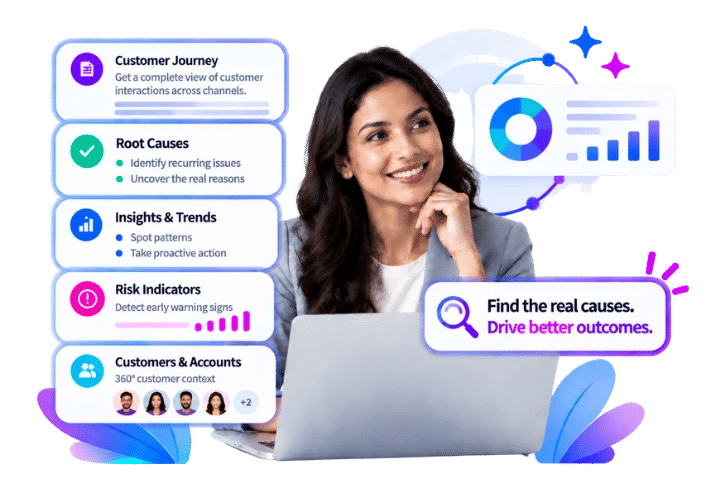



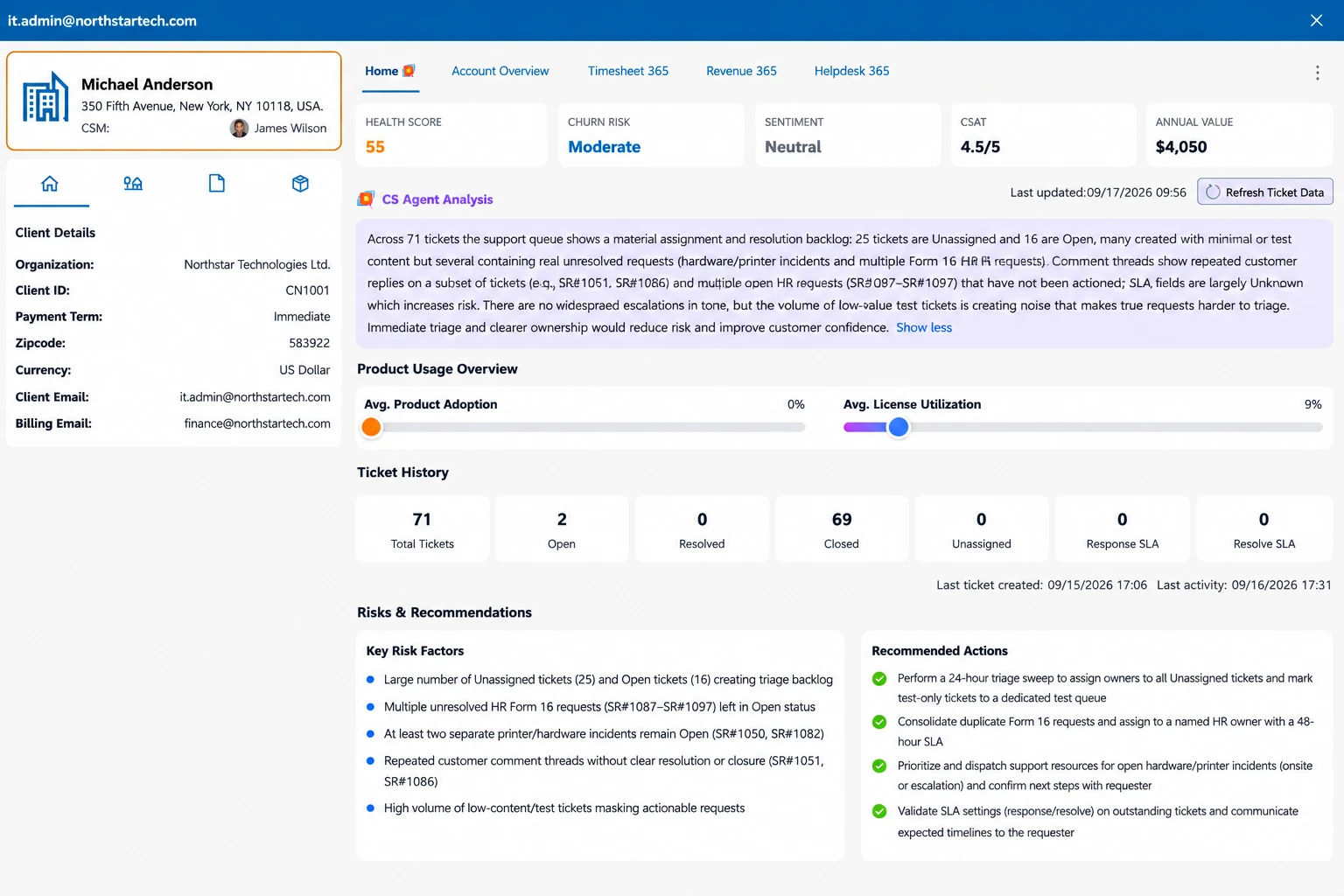










The Root Cause Analysis Agent reads your support tickets, emails, meeting notes, health signals, and account activity in one place. It shows what really happened at each stage of the customer lifecycle, so you can fix the cause and not just the symptom.
Spot customer issues early
Get clear, ready-to-use RCA insights
Works with Teams, Zoom, Slack, and Google Meet
Identify customer health, risks, and sentiment
Study customer conversations and interactions
Read through tickets, emails, and chats
Find the issues and root causes behind them
Build RCA reports with clear insights
Track customer health, risk, and sentiment
Map the customer journey and what drives renewals
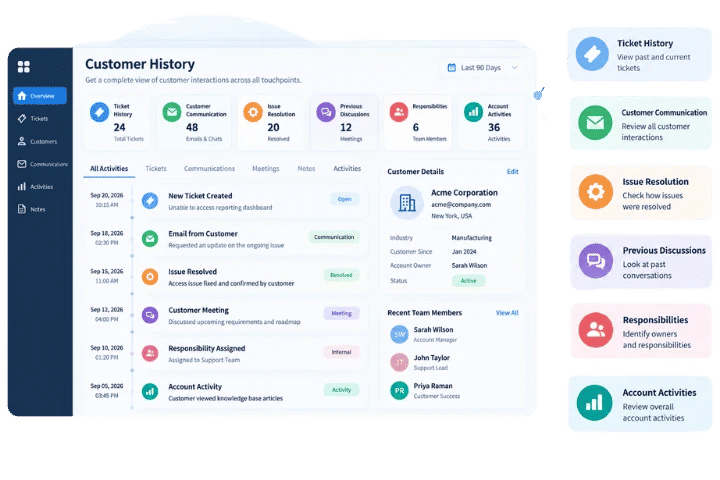
Look at tickets across the full customer lifecycle. See which problems keep coming back, how they were solved, and where support is falling short.
See the whole story in one view, from purchase history and support activity to past conversations and renewal details.
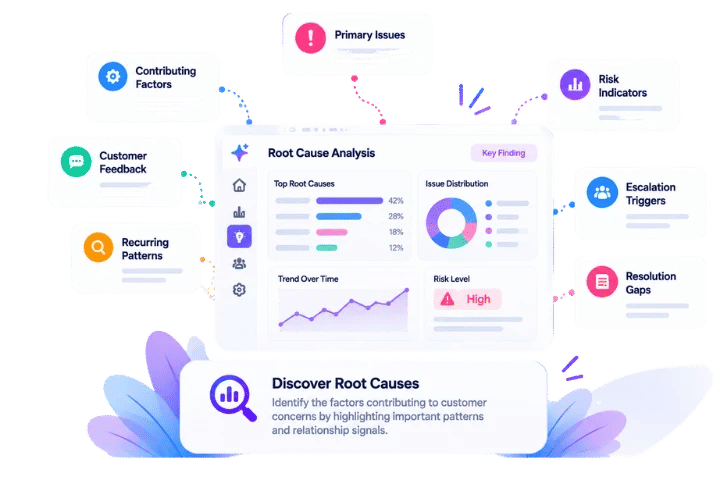
Find the main reasons behind customer complaints, renewal trouble, and churn risk, using the data you already have.
Check how healthy each account is with health scores, risk flags, customer segments, and engagement signals.
Go through emails and meetings to catch key discussions, worries, feedback, and what customers expect from you.
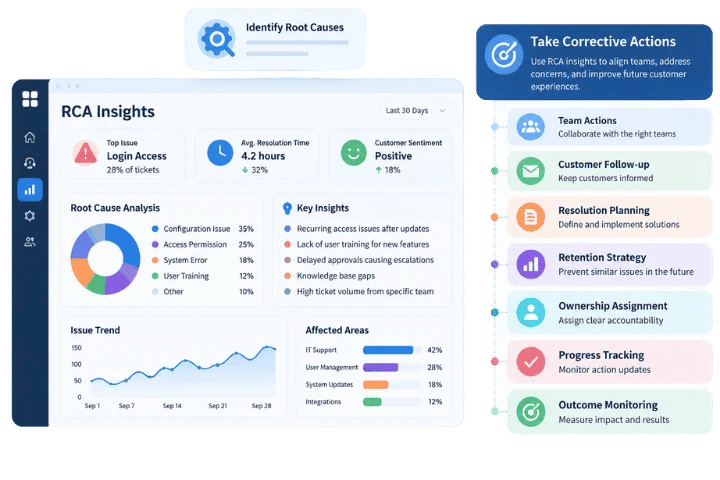
Create structured Root Cause Analysis reports with the right customer details, so your team can act with confidence.
Most teams still dig through tickets, emails, and notes by hand. That takes time, and important details get missed. The Root Cause Analysis Agent does the heavy lifting. It reads the available customer data and brings out the root causes, repeat issues, risks, and retention factors that matter.
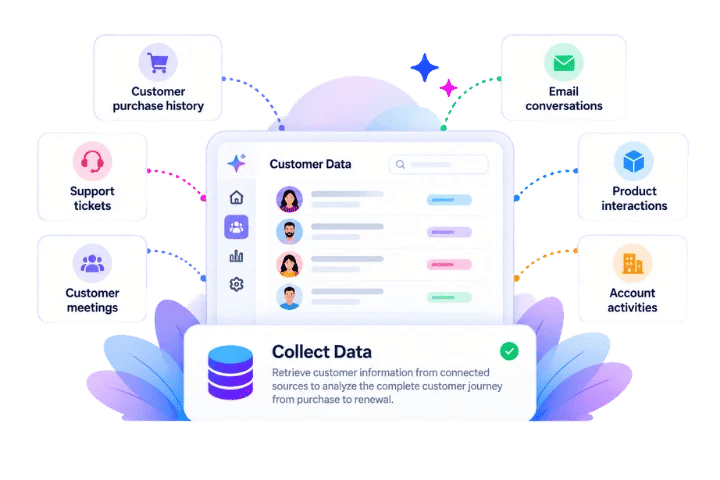
Gather information from connected sources to see what the customer reported, how your team responded, and which concerns carried over into later conversations.
Customer Account Records
Support Ticket History
Customer Email Threads
Meeting Notes and Discussion Highlights
See how customer issues evolved, what your team did to resolve them, and how the customer stayed engaged over time.
Past Support Tickets
Customer Correspondence
Resolution History
Previous Meeting Discussions
Account Activity Timeline
Connect recurring issues with customer feedback and past fixes to see what may be driving escalations or putting renewals at risk.
Core Customer Issues
Likely Contributing Factors
Customer Feedback Themes
Early Warning Signs
Repeat Issue Patterns
Escalation Triggers
Gaps in Previous Fixes
Use RCA findings to prioritize fixes, assign owners, and follow up with customers to confirm their concerns were resolved.
Cross-Team Action Items
Customer Updates and Follow-Up
Corrective Action Plans
Customer Retention Plans
Clear Task Ownership
Fix Effectiveness
A customer raises an issue, and Customer Success, Support, and internal teams all need to see it.
Teams check the customer's background and past interactions before they take any action.

Everyone works from the same picture, so the team no longer depends on one person's memory or manual updates.

Teams set next steps, assign owners, and coordinate action using the full customer context.

Bring RCA insights into the tools your teams use to manage customers, support, and accounts.

Connect customer information from supported sources to see every interaction, issue, and past event in one place.

Set who sees what with permission-based access, so each team gets only the insights meant for their role.
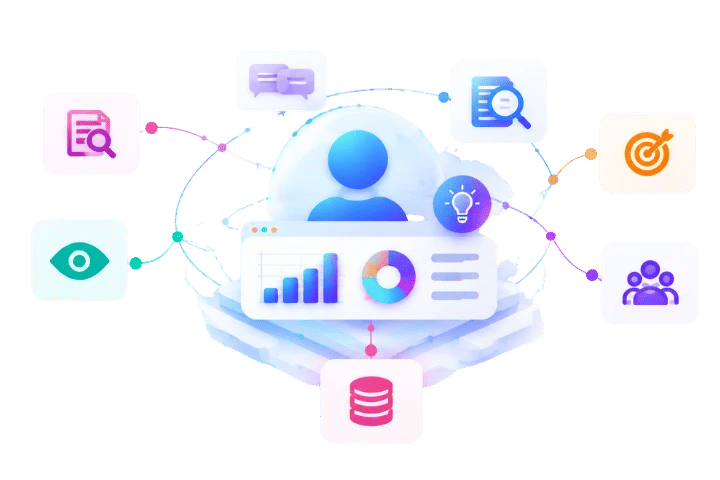
Protect customer information with secure processing and enterprise-grade security controls.

Keep customer data under control with clear data management and governance policies.
Use role-based visibility and secure permissions to stay in charge of who can open customer insights.
Review tickets, repeat issues, and fixes to find root causes and improve the customer experience.

Understand account health, renewal worries, feedback, and risks, then plan stronger retention.
Use customer history, engagement patterns, and RCA insights to prepare better account and renewal talks.

Spot repeated complaints and product gaps straight from customer conversations.

See customer risks and retention trends clearly, so decisions rest on facts.
Bring customer information together for better reporting, coordination, and follow-up.

Spend less time reading tickets, emails, and notes just to learn why a customer is unhappy.

Give Support and Customer Success the full context without searching across many tools.

Spot repeat issues, customer concerns, and contributing factors that affect the experience and the renewal.
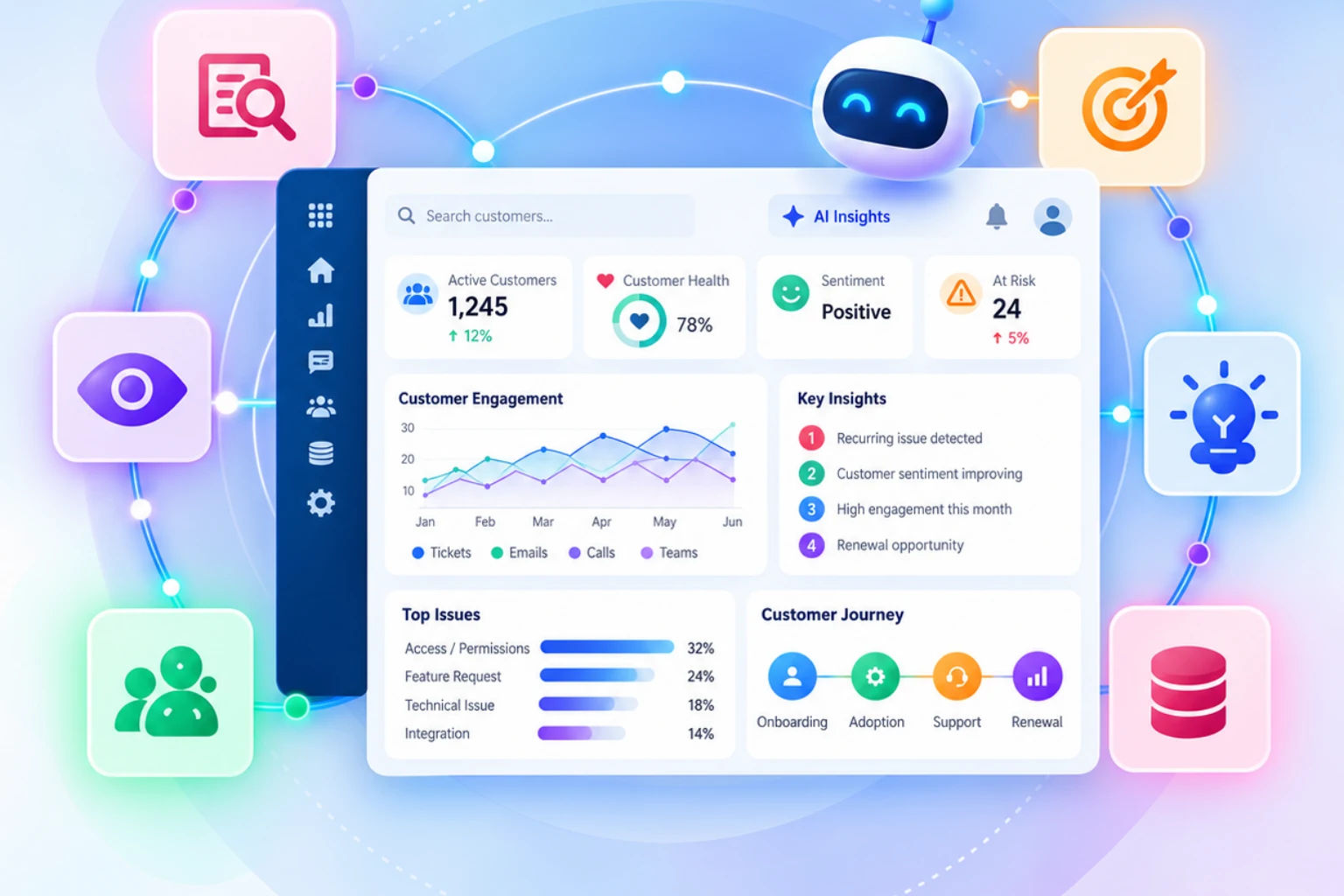
Use health, risk, sentiment, and RCA insights to choose the right follow-up.

Turn scattered customer details into structured insights about journeys, challenges, and retention chances.

It is a customer intelligence agent that helps Customer Success and Support teams study customer journeys, review interactions, find root causes, and create insights from the data they already have.
It gives the team a clear view of the whole customer lifecycle by reading interactions, support history, communication records, and renewal activity. This helps teams spot concerns that could affect retention.
It uses information from your connected data sources, such as customer records, support tickets, email conversations, meeting discussions, customer interactions, and account activities. The quality of the insights depends on how much relevant data is available.
Yes. It looks at interactions, support history, and communication patterns to point out possible factors behind churn risk, renewal concerns, or customer dissatisfaction.
It reviews ticket history, customer issues, discussions, and resolutions to find repeat problems, customer concerns, and support patterns.
Yes. It can show available indicators such as health score, risk flags, customer segment, and sentiment, so teams know where each relationship stands.
Yes. Select the relevant tickets and interactions, and the agent builds a structured RCA report covering customer history, key issues, contributing factors, and main insights.
See how our solution can help your team
save time and cut costs.


By proceeding, you accept Cubic Logics Terms and Conditions and Privacy Policy